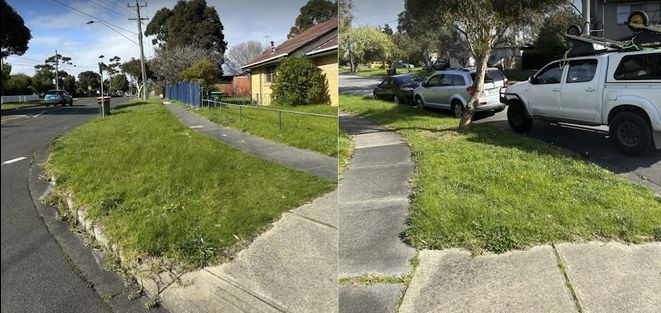
The short version: A patchy lawn is almost always fixable without ripping it up and starting again. The trick is to diagnose why it’s patchy first — wrong grass type, poor watering, compacted soil, shade, or pests — because the fix is different for each. Then you repair in the right season for your grass type, and you avoid the expensive mistakes most people make. Here’s how to do it properly for an Australian lawn.
Why Australian lawns go patchy
A few causes account for most patchy lawns here:
- Wrong grass for the conditions — a sun-loving couch struggling in shade, or a cool-season grass cooking in a dry Australian summer.
- Watering wrong — shallow, frequent watering grows shallow roots that die off in heat. Deep, less-frequent watering is almost always better.
- Compacted soil — foot traffic and clay soils (very common in Melbourne) stop water and air reaching the roots.
- Shade — most lawn grasses need real sun; under trees, they thin out no matter what you do.
- Pests and disease — lawn grubs, in particular, can hollow out patches fast.
On the jobs we do around Brighton and Greater Bayside areas, the biggest culprit by far is the incorrect type of grass for the surrounding conditions (First point)
Step 1: Identify your grass type (this changes everything)
Australian lawns are mostly one of these, and the repair timing depends on it:
- Warm-season grasses (couch, buffalo, kikuyu, zoysia) — grow strongest in the warm months, go semi-dormant and brownish in winter. Repair in spring to early summer.
- Cool-season grasses (fescue, ryegrass) — stay greener through winter, struggle in peak summer heat. Repair in autumn or early spring.
Getting this wrong is the #1 money-waster: people sow seed or lay repairs at the wrong time of year, it doesn’t establish, and they blame the product.
Step 2: Diagnose the real cause before you spend a cent
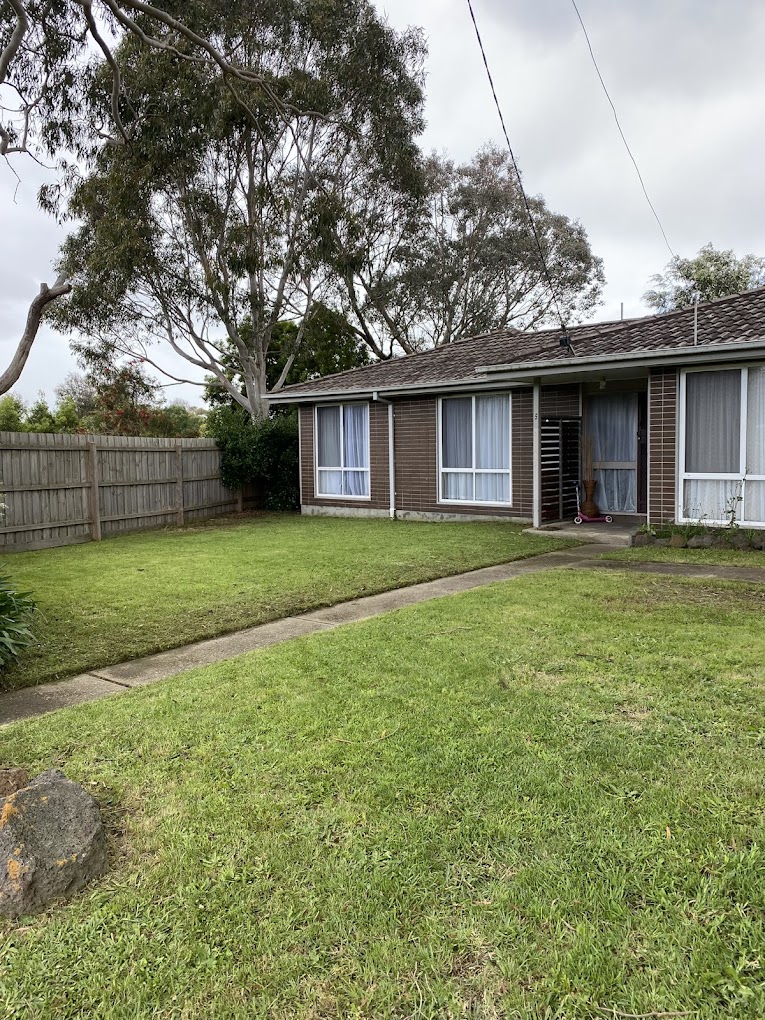
Walk the lawn and check: Is the patch in shade? Is the soil rock-hard (try pushing a screwdriver in)? Does the grass lift away easily, exposing grubs underneath? Is it only near paths (compaction) or only under trees (shade)?
Before I touch anything, I take a step back and just look at the whole lawn patchy lawns tell you a lot from a distance. Is the thinning in one zone or scattered? Near paths, under trees, or out in the open? Then I get down and feel it: run a hand through the grass, check whether it’s dry and brittle or soft and spongy, and whether the soil underneath is hard as a rock or holding moisture.
The big one is comparing sections. I’ll grab a handful from a healthy green patch and a handful from a struggling one and look at them side by side — same grass type? Different colour, different blade, different density? That comparison usually points straight at the cause. Then I lift the corners of the bare patches: if the grass peels away easily and there’s bare soil or grubs underneath, that’s a very different problem to grass that’s just thin and stressed.
And I ask questions both the customer and myself. How often are they watering, and for how long? Has anything changed (a new tree, more foot traffic, a pet)? When did it start? Half the time the answer to “why is it patchy” is sitting in what the owner’s been doing without realizing it.
Step 3: The repair process
For most patchy warm-season lawns, in the right season:
- Mow low over the patchy area to expose the soil.
- Scarify / rake out the dead thatch so new growth and seed can reach soil.
- Aerate if compacted — a garden fork pushed in and rocked, or a coring tool, relieves clay compaction (huge in Melbourne soils).
- Top-dress and level low spots with a quality sandy loam / lawn soil.
- Re-seed or lay runners/plugs matched to your existing grass type (don’t mix types — it looks patchy forever).
- Water deeply and keep the repair consistently moist until established — then taper to deep, infrequent watering.
When to do it (Australian seasons)
- Warm-season lawns: spring through early summer, when the grass is actively growing and can knit the repair together. Avoid mid-winter (it’s dormant and won’t establish).
- Cool-season lawns: autumn is ideal; early spring is the backup.
Check your local watering rules before you start, as deep establishment watering has to fit within them. Here
The expensive mistakes to avoid
- Sowing at the wrong time of year (covered above) — the biggest waste.
- Cheap seed that doesn’t match your lawn — you get a patchwork of textures and colours.
- Watering little and often — trains shallow roots that die in the next heatwave.
- Ignoring the cause — fixing the symptom (re-seeding) without fixing compaction, shade or grubs means the patch comes straight back.
A proper repair runs about $1100 in materials vs $1700 to returf the whole area
When to call a professional
If the lawn’s more dead than alive, the soil’s a serious clay problem, or you’ve got a recurring grub infestation, a pro can save you money versus repeated failed DIY attempts. Call a professional
FAQ
Will a patchy lawn fix itself? Sometimes warm-season lawns thicken back up on their own once the cause (shade, compaction, poor watering) is removed and the warm growing season returns — but bare patches usually need re-seeding or runners to fill in.
What’s the best time to repair a lawn in Australia? For warm-season grasses (couch, buffalo, kikuyu), spring to early summer. For cool-season grasses (fescue, ryegrass), autumn or early spring.
Why does my lawn keep going patchy in the same spot? That’s a sign you’re treating the symptom, not the cause — usually shade, soil compaction, or recurring pests in that exact area.
Can I just throw seed on bare patches? You’ll get far better results if you rake out the dead thatch, loosen the soil, match the seed to your grass type, and keep it moist until established. Seed scattered on hard soil mostly fails.
Final word
A patchy lawn is a diagnosis problem before it’s a repair problem. Work out why first, fix that, repair in the right season for your grass type, and water deeply — and you’ll spend a fraction of what a full returf costs.
General gardening information based on Australian conditions and hands-on experience. Results vary with climate, soil and grass type. Always follow label directions on any product, and use a qualified professional for major work.